
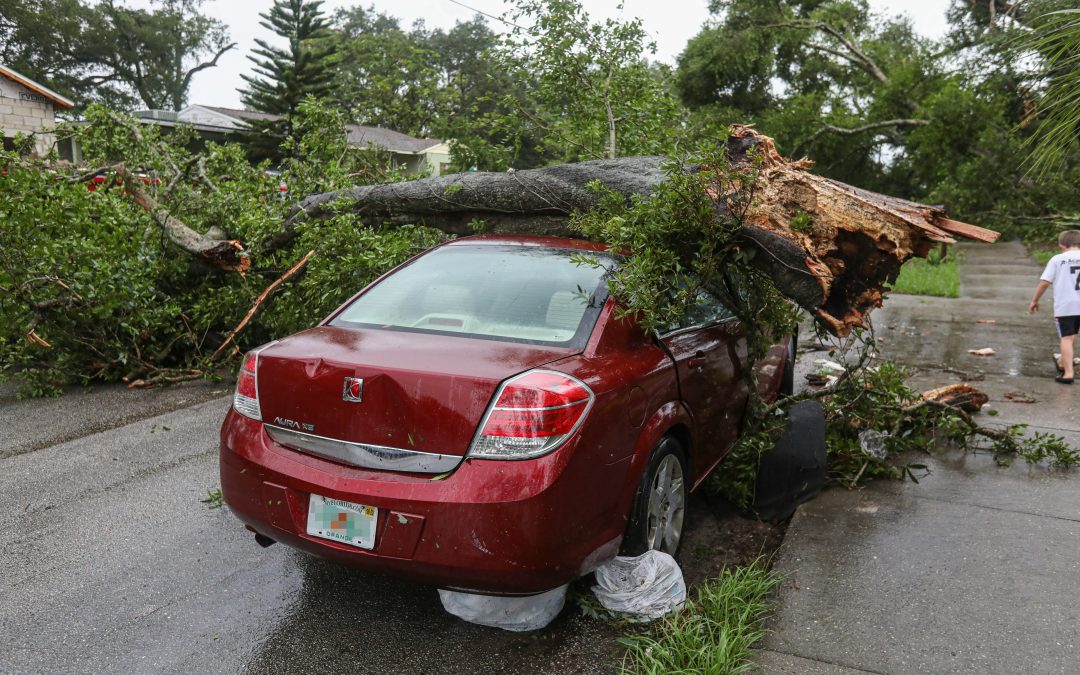
When a hurricane threatens, your first priority is safety. But amid the chaos of evacuation, having the right financial and legal documents on hand can make all the difference in securing your recovery and protecting your assets. A well-prepared grab-and-go box ensures that critical records are safe from wind, water, and displacement.
Does this also resonate with those of you that live in wildfire areas?
I’ve lived in Florida for 10-years now, and eight hurricanes have hit the Florida gulf coast during my time here. Six of these were major hurricanes (category 3, 4, or 5). The first one that really scared me was Hurricane Irma in 2017. It was a category 5 that was barreling straight toward Tampa Bay until it turned and hit Cudjoe Key. Last year was devastating as two storms, Helene (cat 4) and Milton (cat 3) hit us a little more than a week apart. I have many friends and connections that lost homes and businesses last year that still haven’t recovered. Many of them were not in flood zones and therefore did not have flood insurance!
I am determined to help you be as prepared as possible this year, and I am working right alongside you in getting myself and my family prepared. I am personally using the Nokbox organization system and am gifting my clients this year with one so they can be prepared for the worst as well.

The Importance of a Financial Grab-and-Go Bag
Natural disasters often leave a trail of financial and logistical challenges in their wake. From filing insurance claims to proving identity and accessing emergency funds, the right documentation can help you:
- Secure insurance benefits quickly
- Access financial resources without delay
- Rebuild and recover with minimal setbacks
Essential Financial & Legal Documents to Pack
Your go bag should include physical copies in a waterproof bag (a Ziplock will do in a pinch) and digital backups stored securely (e.g., encrypted USB drive or a cloud storage service with strong security measures).
1. Identification & Essential Records (for every family member)
- Driver’s license and passport
- Social Security cards
- Birth/death/adoption certificates
- Marriage certificate or divorce decree
- Copies of medical insurance cards
- Medical prescriptions & immunization records
- Military ID or VA benefits documents (if applicable)
- Baptism certificates
- Pet records
- Stock and bond certificates
2. Financial & Banking Essentials (for every family member)
- Emergency cash (small bills; ATMs may not be operational)
- Checkbook (in case electronic banking is unavailable)
- Recent bank and credit card statements (to show account numbers if online access is limited)
- Investment and retirement account statements
- Prior-year tax return
- Tax documents (especially if you extended your tax return and have yet to file)
- A spreadsheet with passwords & account numbers
3. Insurance Policies (for every family member)
- Homeowners or renters insurance policy (review policy coverage; generally covers hurricane wind damage, but not water damage)
- Auto insurance (check for flood coverage)
- Flood insurance (separate from homeowners insurance)
- Life insurance policy
- Health insurance policy and Medicare/Medicaid details
4. Home & Property Documents (for every family member)
- Deeds, titles, mortgage statements, or lease agreements
- Home inventory list (photos/videos and itemized records for insurance claims)
- Utility bills (for account numbers)
- Spare keys (your garage door opener might not work)
5. Estate Planning & Legal Documents (for every family member)
- Will and trust documents
- Living will and healthcare proxy
- Power of attorney (POA) documents
- Employment contracts and/or business agreements
- Contact details for attorney, financial advisor, and executor
6. Emergency Contacts & Recovery Plan (if you’ve lost power, you can’t charge your phone to look these up)
- Phone numbers for family, neighbors, and emergency contacts
- Contact details for insurance agents and financial institutions
- Contact details for utilities and service companies (to report outages or suspend service if needed)
- FEMA, Red Cross, and local emergency management office contacts
Digital Backups & Security Tips
- Scan or photograph all documents and save them to a password-protected flash drive or encrypted cloud storage.
- Use a password manager for secure access to critical online accounts.
- Keep an updated emergency checklist in your phone and bag.
Final Thoughts: Financial Readiness is Disaster Readiness
Hurricanes can cause upheaval in many ways, but financial preparedness gives you control over the recovery process. A well-organized grab-and-go bag ensures that when the storm passes, you can quickly rebuild your financial stability and focus on what truly matters—keeping yourself and your loved ones safe.